
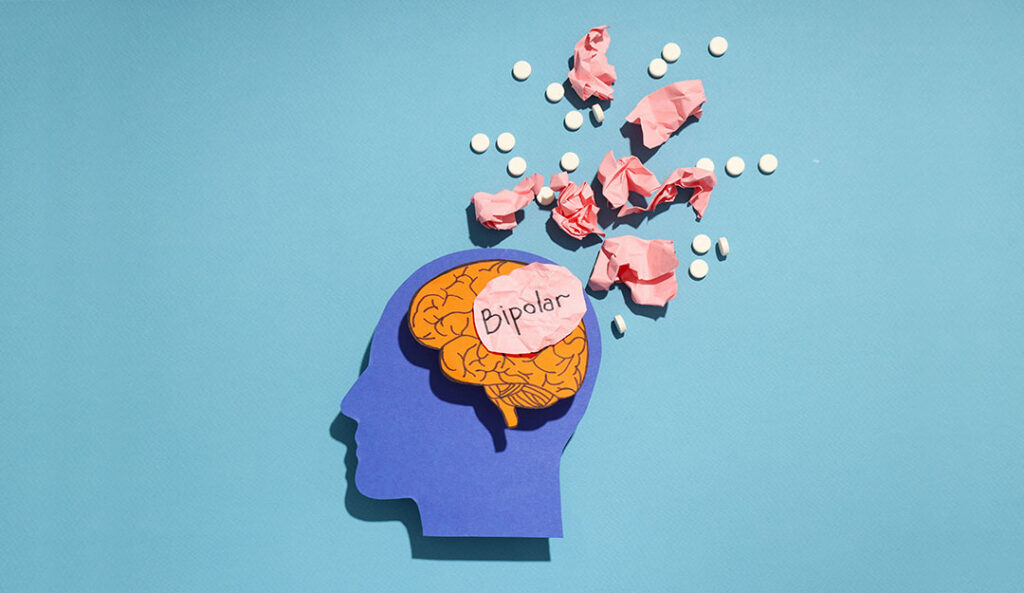
Type 2 diabetes mellitus (T2DM) negatively affects brain structure and function. Meta-analytical data show that relative to age and sex matched non-psychiatric controls, patients with bipolar disorders have double the risk of T2DM. We review the evidence for association between T2DM and adverse clinical and brain imaging changes in bipolar disorders and summarize studies investigating effects of diabetes treatment on psychiatric and brain outcomes.

Transitioning to bipolar disorder
Bipolar disorder is a highly heritable condition, which can progress from an asymptomatic period in at-risk individuals to a potentially debilitating illness. Identifying individuals who are at a high risk of developing bipolar disorder may provide an opportunity for early intervention to improve outcomes. The main objective of this systematic review is to