
Bipolar por

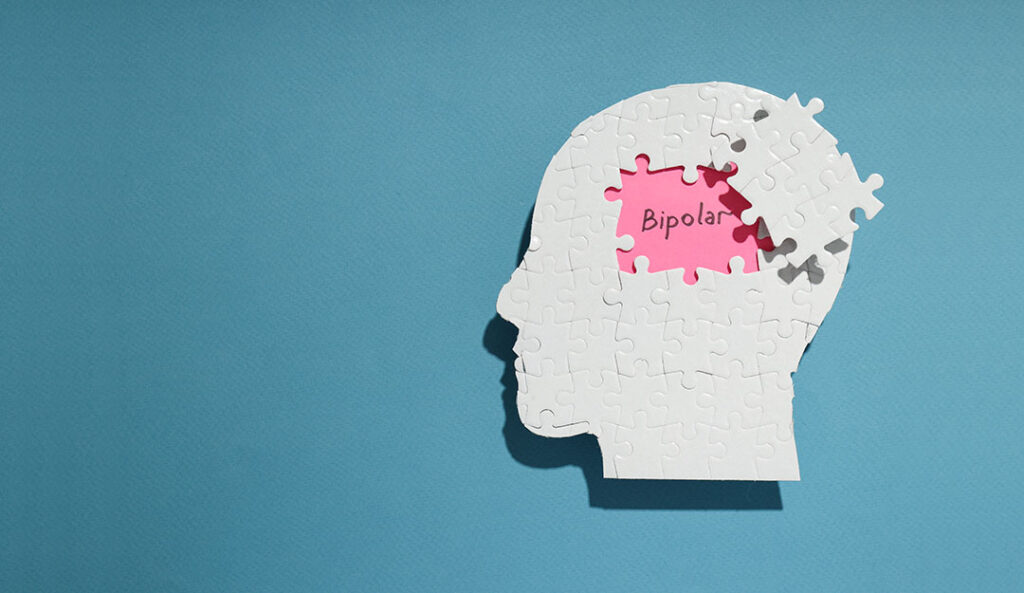
Transitioning to bipolar disorder

Bipolar disorder is a highly heritable condition, which can progress from an asymptomatic period in at-risk individuals to a potentially debilitating illness. Identifying individuals who are at a high risk of developing bipolar disorder may provide an opportunity for early intervention to improve outcomes. The main objective of this systematic review is to provide an overview of prospective […]

Transitioning to bipolar disorder Read More »
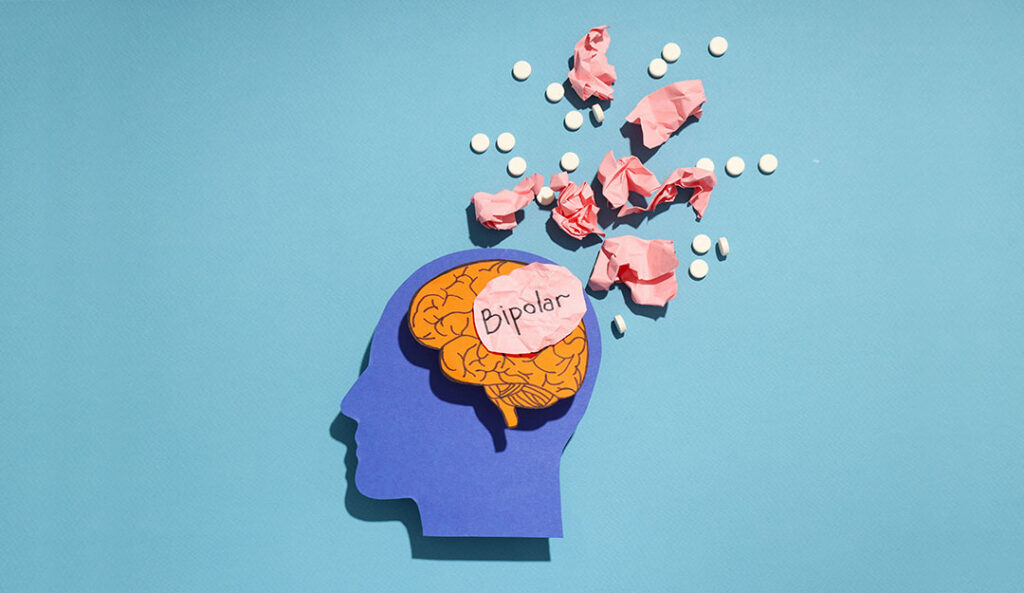
Transitioning to bipolar disorder

Bipolar disorder is a highly heritable condition, which can progress from an asymptomatic period in at-risk individuals to a potentially debilitating illness. Identifying individuals who are at a high risk of developing bipolar disorder may provide an opportunity for early intervention to improve outcomes. The main objective of this systematic review is to provide an overview of prospective

Transitioning to bipolar disorder Read More »
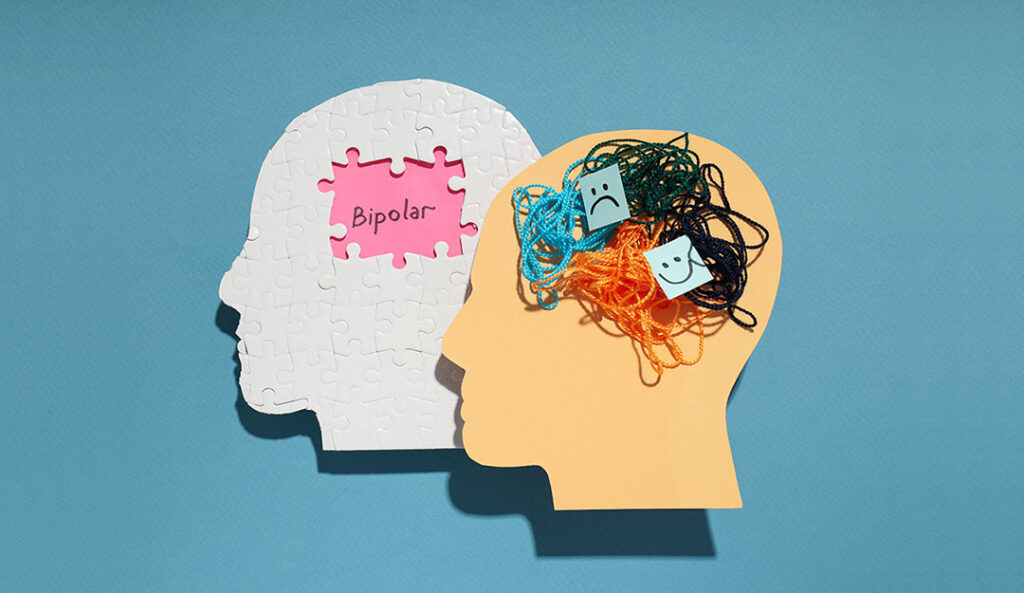
Bipolar disorders, type 2 diabetes mellitus, and the brain

Type 2 diabetes mellitus (T2DM) negatively affects brain structure and function. Meta-analytical data show that relative to age and sex matched non-psychiatric controls, patients with bipolar disorders have double the risk of T2DM. We review the evidence for association between T2DM and adverse clinical and brain imaging changes in bipolar disorders and summarize studies investigating

Bipolar disorders, type 2 diabetes mellitus, and the brain Read More »

Advances in the pathophysiology of bipolar disorder

Due to bipolar disorder clinical heterogeneity, a plethora of studies have provided new genetic, epigenetic, molecular, and cellular findings associated with its pathophysiology. Genome-wide association studies and epigenetic evidence points to genotype–phenotype interactions associated with inflammation, oxidative stress, abnormalities in signaling pathways, hypothalamic– pituitary–adrenal axis, and circadian rhythm linked to mitochondrial dysfunction in bipolar disorder. Although

Advances in the pathophysiology of bipolar disorder Read More »

Integrated treatment for patients with comorbid depression and personality disorders

We advocate considering depression and personality as being more closely related and argue in favour of the development of integrated treatment options tailored to understanding symptoms as being interwoven with a variety of long-standing disturbing personality patterns. Both clinically and conceptually, psychodynamic and schema-focused approaches provide good opportunities to adjust available therapies and they could

Integrated treatment for patients with comorbid depression and personality disorders Read More »

Integrated treatment for patients with comorbid depression and personality disorders

We advocate considering depression and personality as being more closely related and argue in favour of the development of integrated treatment options tailored to understanding symptoms as being interwoven with a variety of long-standing disturbing personality patterns. Both clinically and conceptually, psychodynamic and schema-focused approaches provide good opportunities to adjust available therapies and they could

Integrated treatment for patients with comorbid depression and personality disorders Read More »

Promoting physical activity for mental health: an updated evidence review and practical guide

Translation of evidence regarding physical activity for mental health into routine programmes is critical. Efforts to move beyond solely targeting individual-level barriers to physical activity and address systemic barriers include lack of access to appropriate exercise services. This requires consideration of training needs, service structure and culture change.  Leer texto completo

Promoting physical activity for mental health: an updated evidence review and practical guide Read More »

Promoting physical activity for mental health: an updated evidence review and practical guide

Translation of evidence regarding physical activity for mental health into routine programmes is critical. Efforts to move beyond solely targeting individual-level barriers to physical activity and address systemic barriers include lack of access to appropriate exercise services. This requires consideration of training needs, service structure and culture change. Leer texto completo

Promoting physical activity for mental health: an updated evidence review and practical guide Read More »

Reward processing dysfunction in major depression, bipolar disorder and schizophrenia

New evidence of reward processing abnormalities in MDD, bipolar disorder and schizophrenia has led to a greater understanding of the neural processes associated with symptomatology common across these conditions (e.g., anhedonia). Dissecting various subcomponents of reward processing that map onto partially different neurobiological pathways and investigating their dysregulation in different psychiatric disorders holds promise for

Reward processing dysfunction in major depression, bipolar disorder and schizophrenia Read More »

Reward processing dysfunction in major depression, bipolar disorder and schizophrenia

New evidence of reward processing abnormalities in MDD, bipolar disorder and schizophrenia has led to a greater understanding of the neural processes associated with symptomatology common across these conditions (e.g., anhedonia). Dissecting various subcomponents of reward processing that map onto partially different neurobiological pathways and investigating their dysregulation in different psychiatric disorders holds promise for

Reward processing dysfunction in major depression, bipolar disorder and schizophrenia Read More »

Neurostimulation as a treatment for mood disorders in patients: recent findings

Brain stimulation is widely used in clinical settings; however, there is a lack of understanding about its neurobiological mechanism. Further studies are needed to understand the neurobiology of brain stimulation and how it can be used to treat mood disorders in their diversity, including comorbidities with other illnesses. Leer texto completo

Neurostimulation as a treatment for mood disorders in patients: recent findings Read More »

Neurostimulation as a treatment for mood disorders in patients: recent findings

Brain stimulation is widely used in clinical settings; however, there is a lack of understanding about its neurobiological mechanism. Further studies are needed to understand the neurobiology of brain stimulation and how it can be used to treat mood disorders in their diversity, including comorbidities with other illnesses.  Leer texto completo

Neurostimulation as a treatment for mood disorders in patients: recent findings Read More »

Cardiovascular disease risk in people with severe mental disorders: an update and call for action

The level of CVD comorbidity remains high in SMDs, indicating that most people with SMDs have not benefitted from recent medical advances. A complex interplay between genetic and social vulnerability to CVD, which differs across subgroups of patients, seems to be involved. Further research is required to meet the urgent need for earlier, more efficient

Cardiovascular disease risk in people with severe mental disorders: an update and call for action Read More »

Cardiovascular disease risk in people with severe mental disorders: an update and call for action

The level of CVD comorbidity remains high in SMDs, indicating that most people with SMDs have not benefitted from recent medical advances. A complex interplay between genetic and social vulnerability to CVD, which differs across subgroups of patients, seems to be involved. Further research is required to meet the urgent need for earlier, more efficient

Cardiovascular disease risk in people with severe mental disorders: an update and call for action Read More »

Iniciar Sesión

Logo_azul

Regístrate